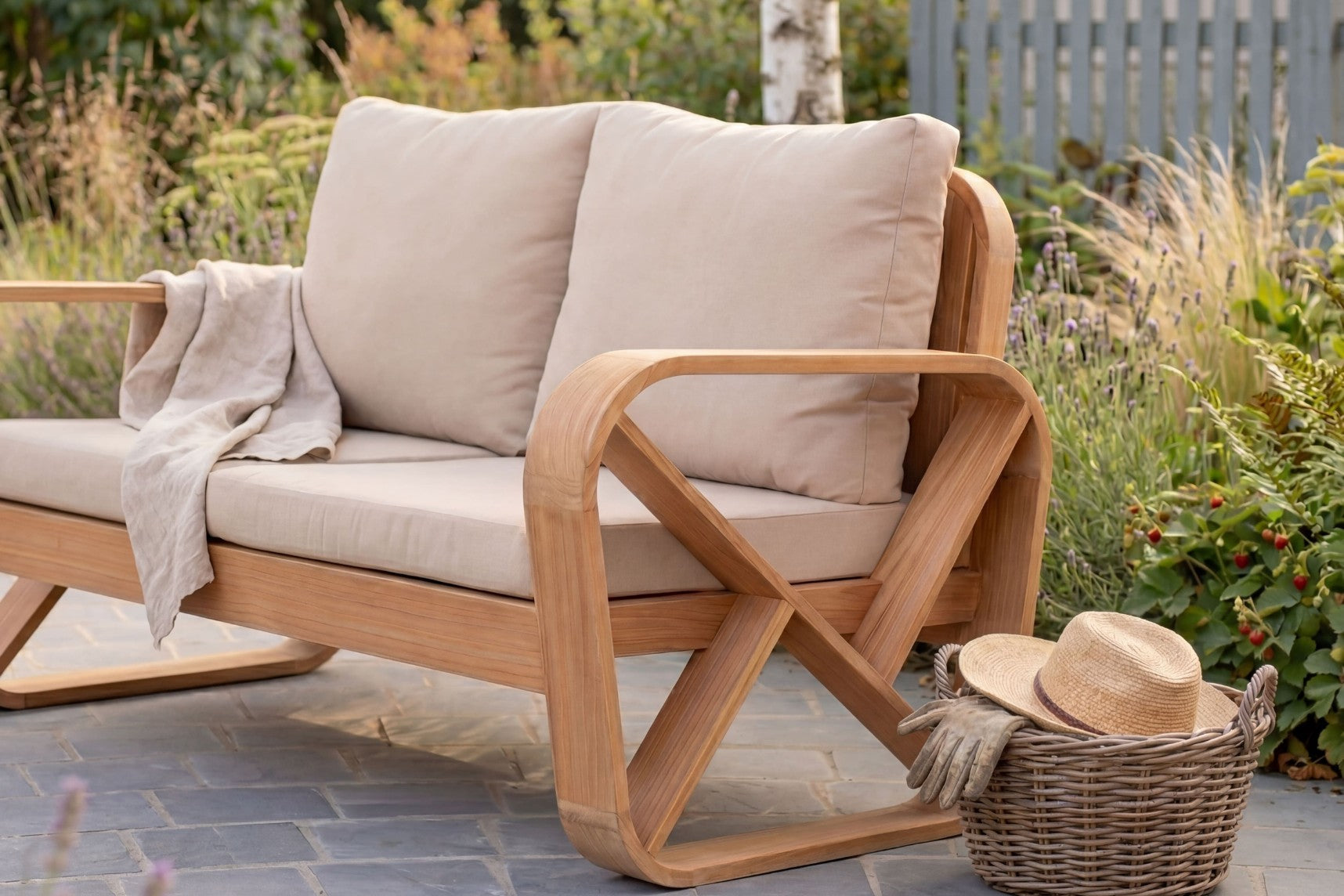
Short answer: Outdoor teak furniture does not have to be oiled. Leave them untreated if you want the wood to develop a natural silver-grey patina and want to reduce aesthetic maintenance. Choose oil if you prefer a warmer wood tone and are prepared for recurring treatment. Oiling is therefore primarily a choice of appearance and level of care.
Oil teak or let it turn grey?
| Choice | Appearance | Maintenance | Suits you if you |
|---|---|---|---|
| Untreated teak | Develops a silver-grey patina | Needs cleaning but not oiling for color retention | Like natural aging and less ongoing treatment |
| Oiled teak | Retains a warmer and darker tone | Requires recurring inspection and new treatment for a consistent appearance | Prioritize the golden wood tone and accept more maintenance |
There is no general right or wrong. Base your decision on the expression you want, how exposed the furniture is to weather, and how much time you want to spend on maintenance.
What happens if teak is not oiled?
Untreated teak naturally develops a silver-grey patina when exposed to weather and UV light. The color change is part of the material's natural aging. It should not be confused with dirt, growth, or other changes that may require cleaning.
You do not need to oil a teak furniture item merely because it begins to turn grey. If you appreciate the patina, you can allow the color to change and instead focus on keeping the furniture clean and avoiding prolonged standing moisture.
Advantages and disadvantages of teak oil
Advantages
- The wood gets a warmer and often darker tone.
- Grain and color variations can become more prominent.
- Several teak furniture pieces can achieve a more uniform visual expression.
Disadvantages
- The appearance needs to be monitored, and treatment may need to be repeated.
- Uneven application or varying wear can result in a patchy surface.
- Oil applied to a dirty or damp surface may yield a poorer result.
- Incorrect product or method can affect the surface's appearance.
When should you wait to oil?
Wait if the furniture is damp, dirty, or has growth. Also, wait if you don't know what previous treatment is on the surface. Cleaning, complete drying, and inspection of the existing surface must precede any new treatment.
Do not use a product simply because it is called teak oil. Check that it is intended for the furniture's intended use and always follow the product's instructions. Test first on a small, less visible area as color and gloss may change.
If you choose to oil your teak furniture
- Check the surface. Find out if the furniture is untreated or previously treated.
- Clean and allow to dry. The surface must be clean and completely dry before treatment.
- Test on a hidden area. Assess color and results before treating the entire piece of furniture.
- Follow the oil manufacturer's instructions. Application, quantity, wiping, and drying time vary between products.
- Check the result regularly. Do not treat according to a fixed calendar interval if the surface does not need it; base it on placement, weather, and the product's instructions.
Rags with oil can pose a fire hazard. Handle and dispose of them exactly according to the instructions on the product you are using.
How to choose for different types of teak furniture
Dining tables and dining sets
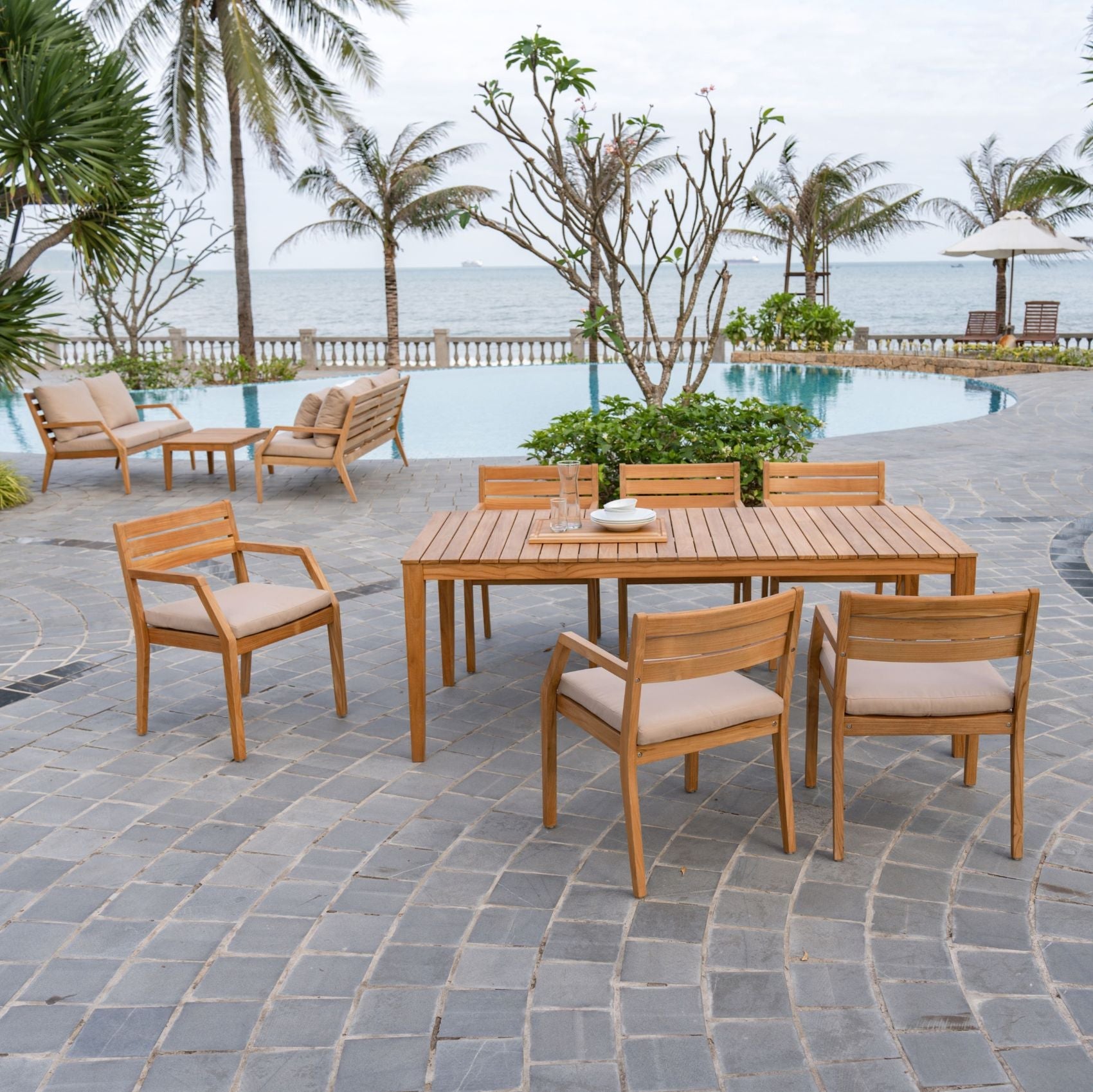
On large surfaces, unevenness is clearly visible. If tables and chairs are to maintain a similar tone, the entire group needs to be assessed and treated consistently. See Stockamöllan's teak dining sets.
Deck chairs and sun loungers
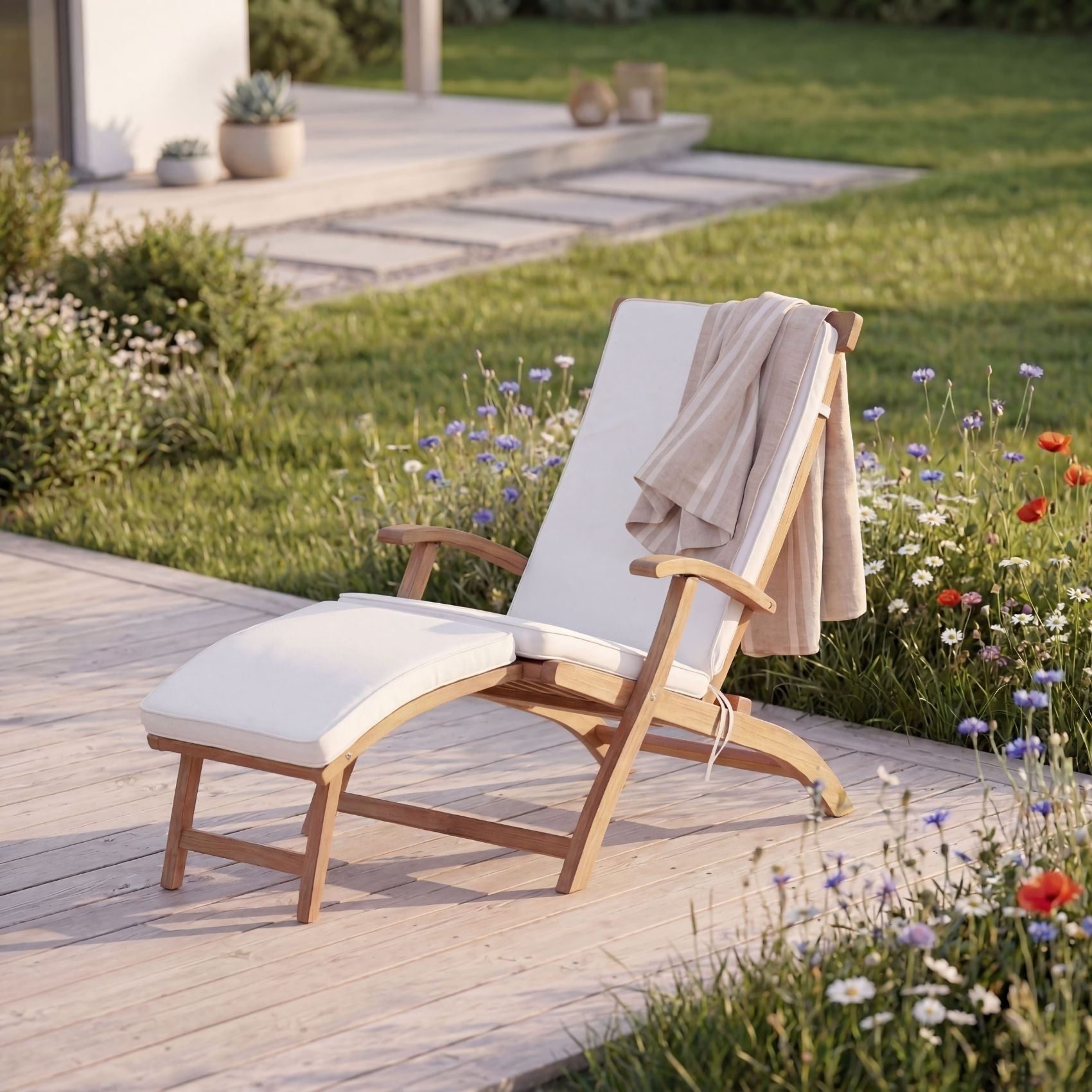
Armrests, seats, and other contact surfaces are subject to more wear than less used parts. This makes consistent maintenance especially important if you choose oil. See teak deck chairs and sun loungers.
New teak furniture
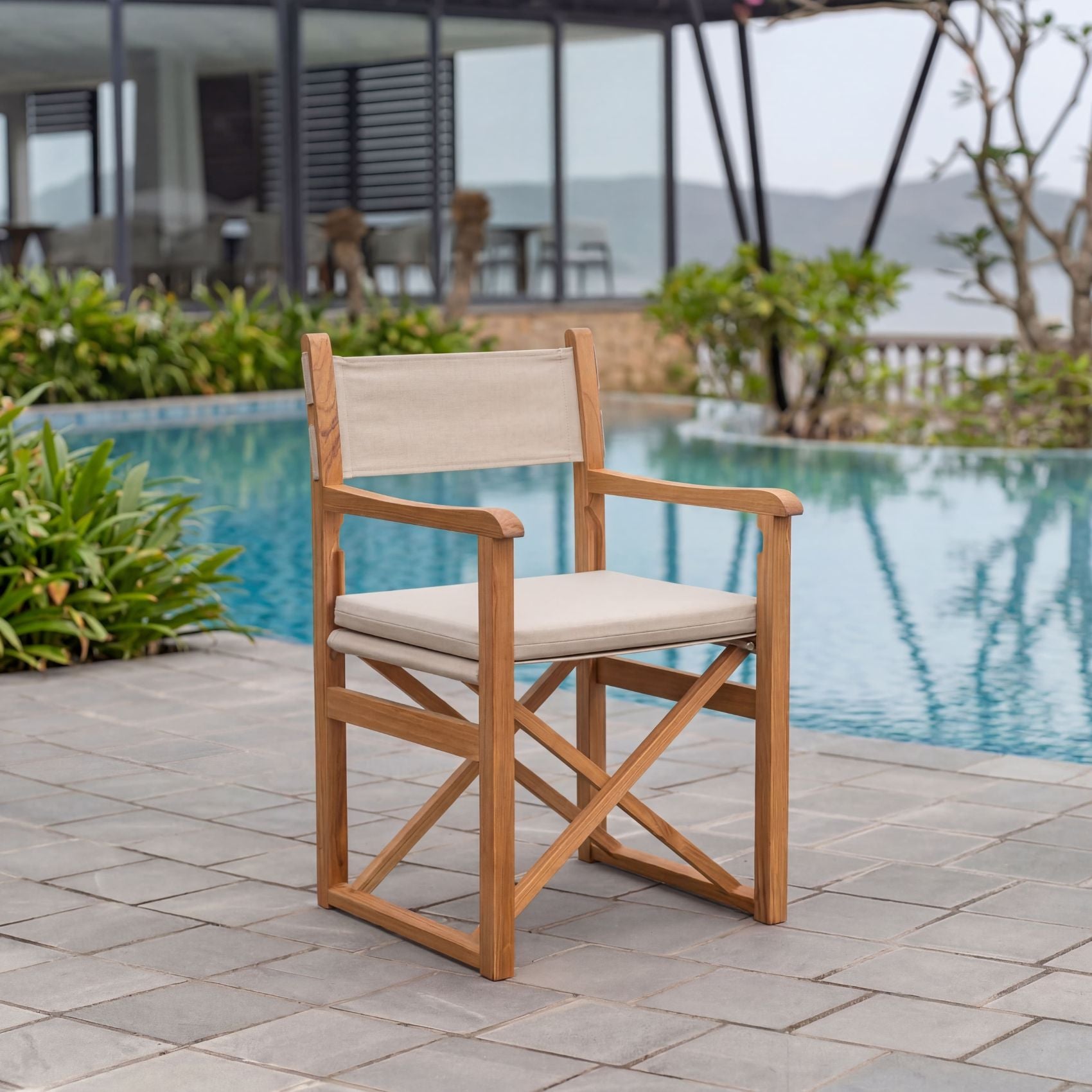
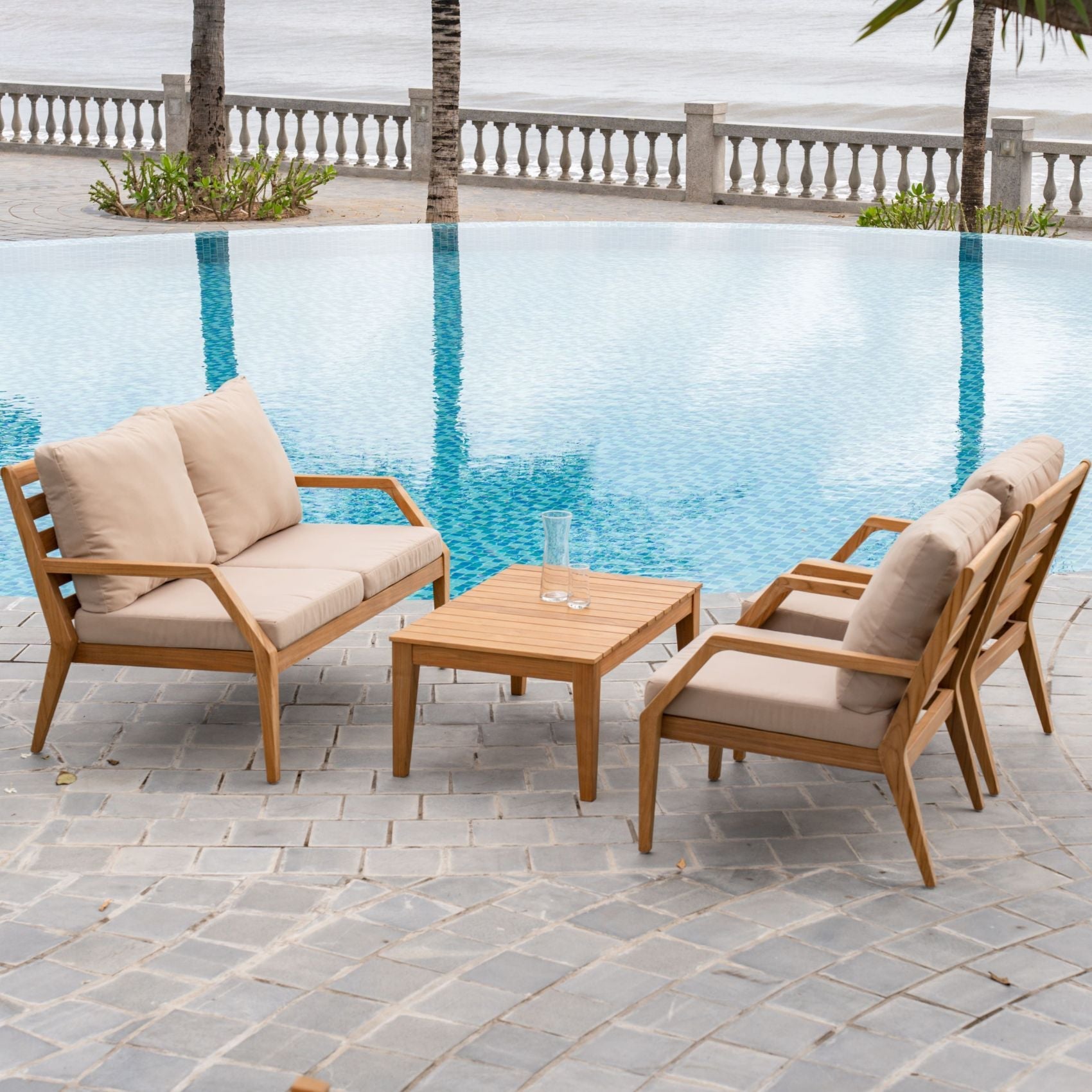
It is advisable to decide from the start whether you want the furniture to develop a patina or try to maintain the warmer tone. All teak used by Stockamöllan is FSC-certified. For advice on your specific model, you should refer to the product information and contact Stockamöllan if anything is unclear.
Stockamöllan's recommendation
Choose untreated teak if you appreciate a silver-grey patina and want to avoid recurring treatment for the sake of color. Choose oil if the warm teak tone is more important and you accept more ongoing maintenance. Regardless of your choice: keep the furniture clean, let it dry thoroughly, and only use treatments whose instructions suit the furniture and its placement.
Explore Stockamöllan's furniture or contact us for care of a specific model.
Frequently asked questions about oiling teak
Do you have to oil teak furniture?
No. Outdoor teak furniture does not have to be oiled. Oiling is mainly chosen to influence the wood's color and appearance.
Will teak be ruined if it is not oiled?
The surface turning silver-grey is a natural color change and not in itself a sign that the furniture is ruined. Dirt, growth, and damage, however, need to be assessed separately.
How often should teak furniture be oiled?
There is no single interval that suits all furniture. The need is influenced by placement, weather, use, previous treatment, and the instructions of the chosen product.
Can you oil greyed teak?
It may be possible, but oil should not be applied directly to a dirty, damp, or uneven surface. The condition of the surface and previous treatment need to be assessed first. Follow the instructions for the product you choose or ask for advice for the specific furniture.
Can you reverse oiling teak?
It cannot be expected that the surface will immediately return to its previous appearance. If you want to change treatment, you first need to know what is already on the surface and choose a method accordingly.